Brands can get UGC content by sourcing customers, advocates, freelance creators, marketplaces, or creator-management platforms, then commissioning clear briefs and usage rights. Start with 3–5 creators, compare their content and performance, and scale the strongest partnerships [1] [2] [3] [4] [5]. One person can be both a UGC creator and an influencer [4].
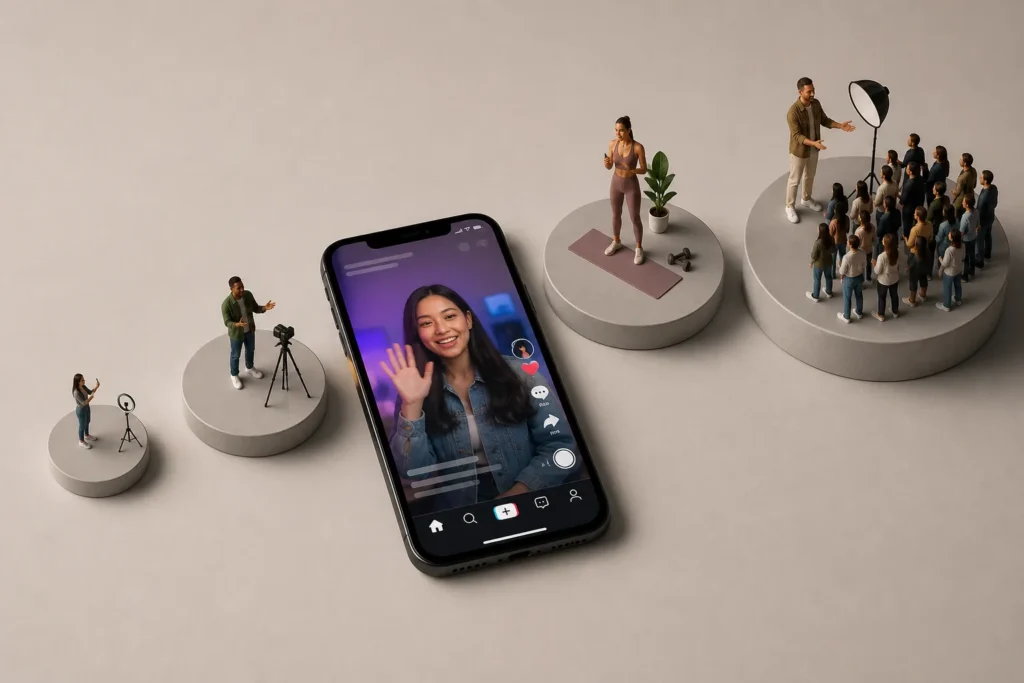
Creator tiers indicate potential audience access, not necessarily the quality of a UGC video. Nano influencers have 1,000–10,000 followers and often report engagement of 6%–10% or higher, with fees up to $300 per post [6] [7]. Micro influencers are defined in one benchmark as having 10,000–200,000 followers [7] [6]. Macro creators can introduce a brand to hundreds of thousands of people through one post [7] [1]. UGC pricing follows deliverables and usage, whereas influencer pricing follows reach and audience access [2]. One UGC agency reports more than 4,900 vetted creators and work for over brands across 40+ countries [3].

What selection criteria and numeric thresholds should you use to choose UGC creators?
UGC creator selection should prioritise content quality, camera confidence, authenticity, audience match, consistency, and the ability to follow directions rather than follower count alone [8] [3] [9] [5] [4]. Check comments, audience quality, and consistency because research suggests some influencer engagement may be fake [5] [1]. Another benchmark places a typical single UGC video at $100–$250, with many rates clustering around $150–$200 [2]. High-volume Canvas content may use a $20–$40 per-post base, with view bonuses around $3–$5 CPM [2].
Paid-ad usage for 30–90 days typically adds 30%–50% of the base rate, while perpetual or buyout rights add 100%–150% [2]. The ledger doesn't provide reliable general ranges for photo sets by platform, so those figures remain unknown rather than estimated. The comparison table below summarises the available video and post benchmarks.

What step-by-step process should a brand follow to find, contact, brief, approve, and pay UGC creators?
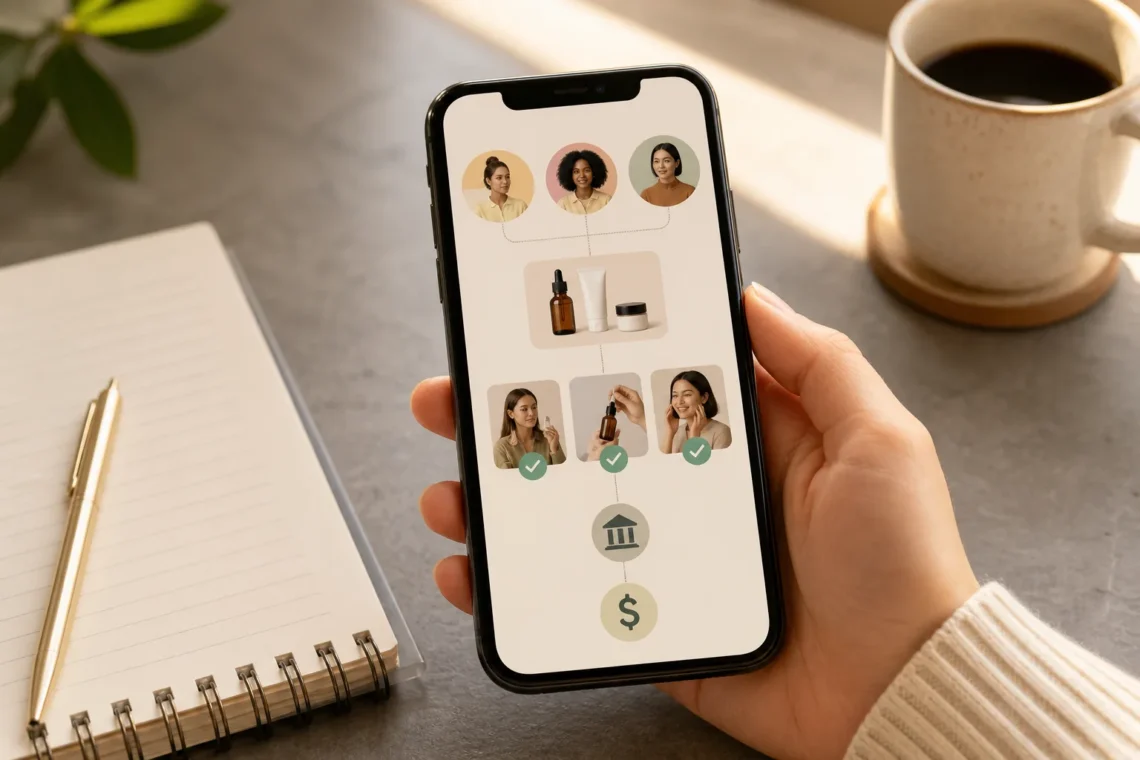
Start your UGC campaign by defining the target audience, campaign goal, and key performance indicator, then build a market-research spreadsheet covering relevant brands and products [9] [4]. Begin with 3–5 creators so you can compare performance, styles, and tones before scaling [1].
Sponsored content should use visible disclosures such as #ad, #sponsored, or Paid Partnership, with on-screen or verbal disclosures where applicable [6] [11] [10] [4] [8] [7] [2] [9] [1].
Separate attention measures from business outcomes. Report follower-based engagement rate, reach-based engagement rate, CTR, CPA, and ROAS rather than relying only on vanity metrics; follower-based engagement rate is total engagements divided by total followers, while reach-based engagement rate divides total engagements by total reach [5]. Seventy-three percent of marketers use engagement rate to measure success, and engagement-driven leads are four times more likely to convert into paying customers [5].
Review results at asset, creator, platform, and campaign levels so you can refine hooks, briefs, ad budget, and channel choices. The ledger provides no universal reporting cadence or guaranteed timeframe for measurable results. Avoid choosing by popularity, ignoring compliance, skipping measurement, or relying only on one-off campaigns [11].

| Creator Level | Price Range | Additional Notes |
|---|---|---|
| Beginner / Entry-level creators [1] [2] | $50-150 per video [1] [2] | — |
| Mid-level creators [1] [2] | $150-500 per video [1] [2] [7] | $500+ per video [1] [7] [3] [4] [2] [9] [8].
Frequently Asked QuestionsHow do brands find UGC creators?Brands find UGC creators through creator marketplaces, freelance platforms, manual social discovery, and enterprise creator-management tools. Marketplaces provide vetted talent and performance metrics, while freelance platforms offer reviews and portfolios [1]. How to reach out to brands for UGC content?Creators can reach brands through email, supported by a portfolio showing authentic, conversion-focused work. Email is identified by 52% of brands as the best method for contacting brands about UGC [4] [7] [3]. Sources
|