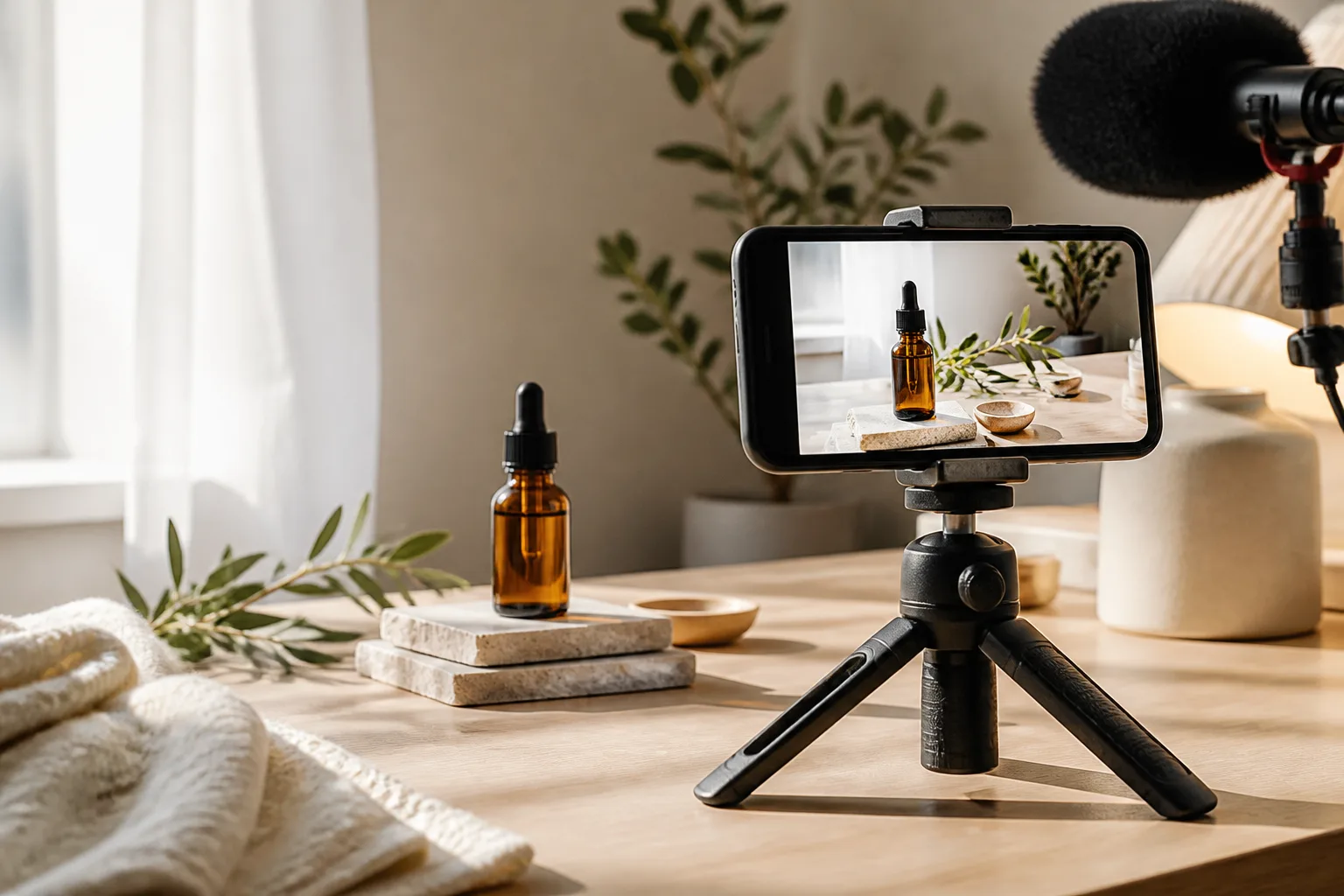

How to Become a UGC Creator and Land Your First Brand Deal?
To become a UGC creator and land your first brand deal, choose a content format, make sample work, build a simple portfolio, and contact brands that fit your examples. Before filming paid work, agree in writing on deliverables, payment, revisions, and how the brand can use your content. Once you become a UGC creator, every agreement should cover these points.
A UGC creator makes content for brands to use in their own marketing, whether or not the creator posts it to a personal audience. UGC, or user-generated content, can look like an honest product demonstration, a tutorial, or a customer-style story made for a brand’s social account or advertising.
You don’t need a large following for many UGC assignments. Brands often assess whether your work suits their brief and intended audience; follower count matters more when the brand also wants you to publish to your own channels.
Learning how to become a UGC creator is less about waiting to be discovered and more about making a clear offer. Show relevant examples, write a concise and professional pitch, and agree on the scope before you start. A small, well-defined first project is a sounder starting point than promising sales results you can’t control.
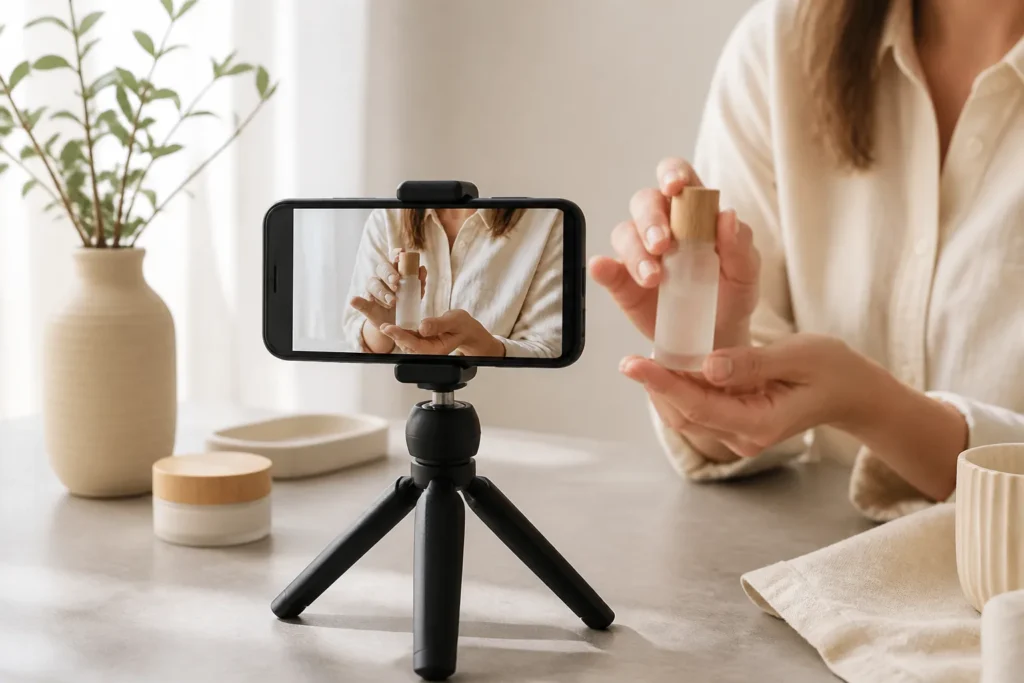
What does a UGC creator do, and do you need followers?
A UGC creator produces content a brand can use in its marketing; influencer work typically includes publishing content to the creator’s own audience. The same person may do both, but the work, audience, and agreement are different. For UGC production, brands are primarily paying for agreed creative assets, not automatic access to your followers. That is good news: you can become a UGC creator before you have a large audience.
Common deliverables include product demonstrations, testimonials, unboxings, short-form videos, still images, tutorials, and paid-ad creative. For example, a creator might film how a kitchen tool works, create a step-by-step skincare routine, or deliver several product images for a retailer’s campaign. A brand may ask for edited files, alternate openings, captions, or raw footage, so clarify the exact request before quoting.
Followers aren’t essential for many production-only assignments. A company choosing a creator to demonstrate a product may care more about clear filming, credible delivery, and a good fit with the intended customer. If the contract requires a post on your own TikTok or Instagram account, though, audience size and engagement become part of the offer.
Deciding to become a UGC creator starts with knowing which service you’re offering: making content, distributing it to an audience, or both. Don’t describe production work as influencer promotion if publishing isn’t included.
| Comparison | UGC creator | Influencer creator |
|---|---|---|
| What the brand pays for | Content production and agreed usage rights | Often publishing, audience access, and content creation |
| Is a personal audience essential? | Usually not for production-only work | Typically relevant when a post or reach is part of the deal |
| Typical deliverables | Videos, images, tutorials, or ad assets delivered to the brand | Posts, Stories, videos, or other agreed placements on the creator’s account |
Influencer fees are not standard UGC production rates. They vary with platform, audience, engagement, scope, usage rights, exclusivity, and production needs; there isn’t a single follower-tier range that can be applied reliably across deals. Ask what the fee covers, especially whether it includes posting and paid-ad usage.
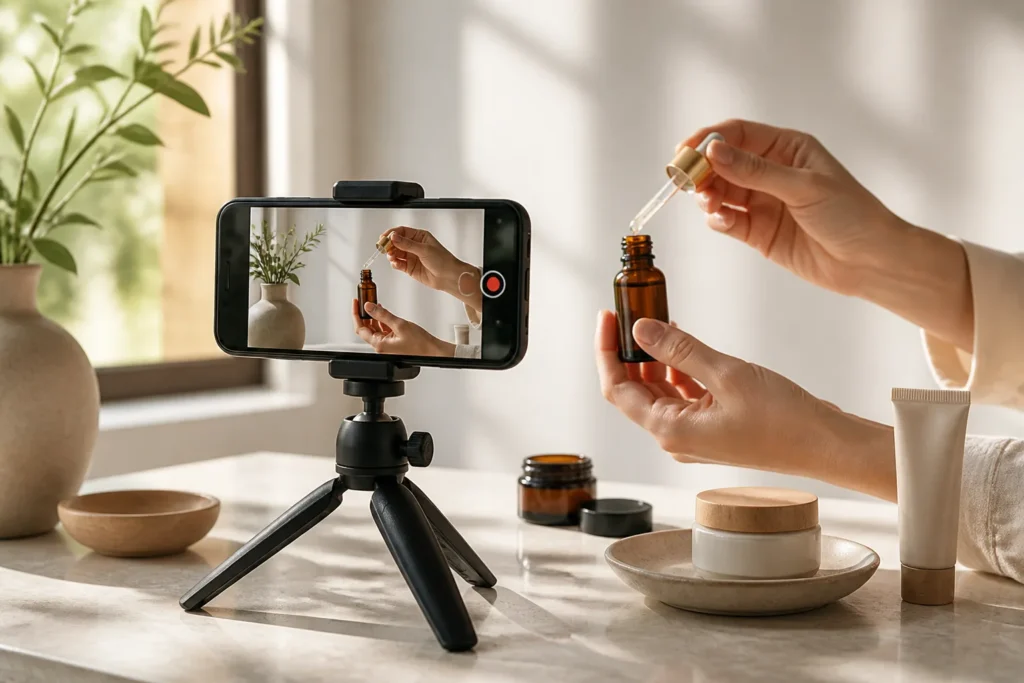
How can you build UGC skills and a portfolio from scratch?
Practice a small set of useful formats, create sample content with products you already own, and present your strongest examples in an easy-to-review portfolio. You don’t need a paid client to show how you approach a brief; label self-directed work clearly so a prospective brand can assess your style without mistaking it for commissioned work. With a small, honest portfolio, you can become a UGC creator brands take seriously.
Use this starter process to turn practice into samples:
- Choose a product category. Start with something you understand, such as food, beauty, home goods, or fitness accessories. A familiar category makes it easier to demonstrate the product naturally.
- Study similar brands. Look at how they describe products, what questions their customers ask, and which formats appear in their social content. Notice the style without copying another creator’s script or footage.
- Write a short concept. Give each sample one purpose: demonstrate a feature, show a use case, or explain a problem the product addresses. Keep the idea focused enough to film in a few clear shots.
- Film and edit a few samples. Use your phone camera, available light, and a steady surface or tripod if you have one. Pay attention to clear audio; editing apps such as CapCut can help trim pauses, add captions, and arrange clips, but no particular tool is required.
- Select varied examples. Choose samples that show different formats or approaches, not several near-identical clips. Include the work that best represents the briefs you want to take.
- Organize a simple portfolio. Put your best examples somewhere easy to open and review, such as a clean portfolio page or shared presentation.
Each sample should show a strong opening, clear product use, natural delivery, readable captions, and good pacing. It should also make its intended audience or use case apparent. For instance, a demonstration of a lunch container might show how it fits into a workday meal routine rather than simply turning the product in front of the camera.
Your portfolio checklist:
- A short introduction explaining the kind of content you make.
- Selected video and image examples, labeled by format.
- A brief list of formats you offer, such as demos or tutorials.
- Contact details that are easy to find.
- A concise note identifying samples as speculative work, not paid client work.
Taking the first steps to become a UGC creator can be a manageable first-week practice goal, not a promise of a booking. Make one product demonstration, one problem-and-solution concept, and one testimonial-style sample based on your genuine experience. Review them for sound, clarity, pacing, and truthful claims, then use the best pieces to begin your portfolio.
Find UGC content creators on Fiverr
How do you find brands and pitch your first UGC deal?
Identify brands whose products and customers fit your samples, find an appropriate contact, and send a brief, personalized pitch with one clear content idea and a link to your portfolio. A good first message makes it easy for the recipient to understand what you offer and why your example is relevant, without asking them to interpret a long biography. Short, specific pitches are how most people become a UGC creator with paying clients.
Build a prospect list from several places:
- Brands active on Instagram or TikTok: Look for accounts that regularly share product content and may need new creative.
- Small e-commerce businesses: A focused shop may have a clear product story and a direct contact route.
- Creator marketplaces: Review each listing’s deliverables, eligibility, and rights before applying.
- Agency opportunities: Agencies sometimes source creators for client campaigns; follow their application instructions and keep your samples current.
- Existing customer or professional networks: A business you already know may be a relevant prospect, provided you can describe your relationship honestly.
Before contacting a business, check whether the product fits your samples, whether its social accounts have posted recently, and what its existing videos do well or leave unclear. If you can see that it runs paid creative, consider whether your concept could serve that purpose—but don’t claim to know its results. Only pitch products you can demonstrate honestly and safely.
A concise pitch can follow this structure: a specific greeting; why the brand fits your work; one content concept; a relevant sample; the deliverables you can offer; and an invitation to discuss scope.
Sample pitch:
Hi [Name],
I’m a UGC creator who makes [format or category] content. I’m reaching out because [specific, truthful reason this brand or product fits your work]. I’d like to propose [one-sentence content concept for a specific use case]. Here’s a relevant sample: [portfolio link]. I can discuss [proposed deliverables, such as an edited product demo and captions] based on your brief and usage needs. Would you be open to discussing scope?
Best,
[Your name]
Becoming a UGC creator without prior clients means being transparent, not pretending to have a track record you haven’t built. Label portfolio samples as speculative, offer a tightly scoped first project, and never invent testimonials, campaign results, or brand relationships.
Keep a simple tracker with the brand, contact, date sent, response, and next step. If there’s no reply, follow up politely after a reasonable interval, then move on rather than sending repeated messages. A clear, limited follow-up keeps your outreach professional and leaves room to improve your pitch for the next prospect.
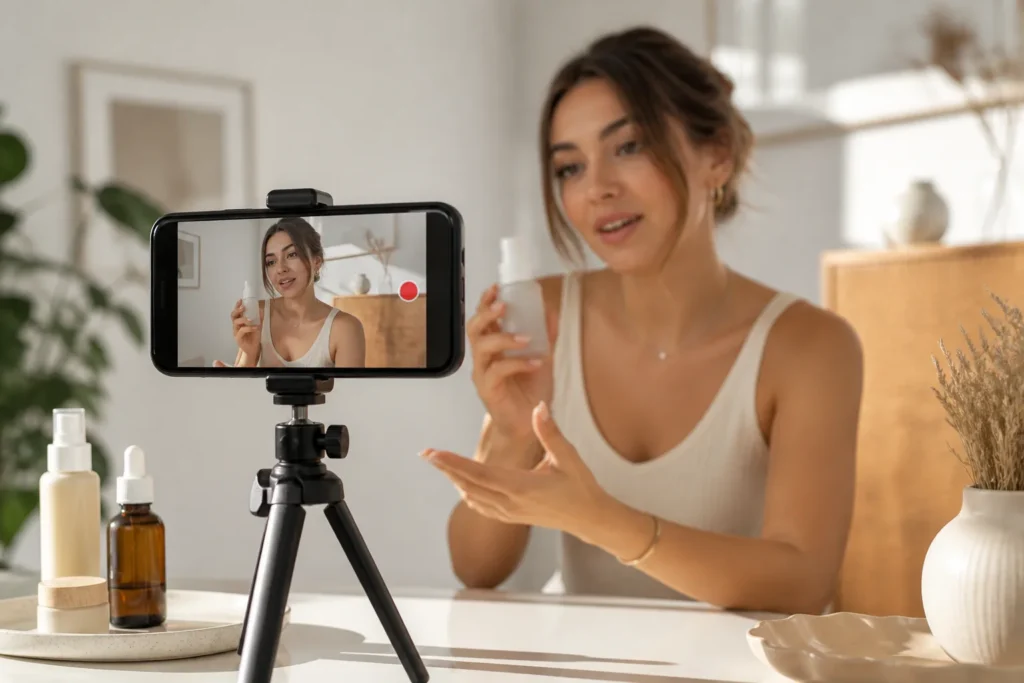
How should you price UGC and agree on usage rights?
Price the work according to the production scope and the rights the brand needs, then put deliverables, revisions, payment, and usage terms in writing. There isn’t a universal UGC fee that suits every project. A simple edited video and a complex set of ad variations involve different work, and permission to use content in paid advertising affects the value and scope of the agreement. Clear pricing from day one helps you become a UGC creator brands want to rehire.
Before giving a quote, consider:
- Assets: How many videos or images, and what length or variations?
- Production: How involved are scripting, filming, locations, props, and editing?
- Revisions: How many rounds are included, and what counts as a revision rather than a new concept?
- Raw footage: Is the brand asking for editable source files in addition to finished assets?
- Timing: What is the turnaround, and does the deadline require unusually fast work?
- Usage: Will the content appear organically, in paid ads, or across multiple channels? For what period and territory?
- Exclusivity: Are you being asked not to work with competing brands, and for how long?
| Project term | What to define | Questions to ask |
|---|---|---|
| Deliverables | Number, format, length, and file type | Which assets are included, and where will they be delivered? |
| Revision limit | Included rounds and change scope | Does a new script or reshoot count as additional work? |
| Organic versus paid use | Channels and advertising permission | Will the brand use the assets in paid ads? |
| Licensing period | Duration and territory of use | How long and in which markets can the brand use the work? |
| Exclusivity | Restricted competitors and timeframe | Which brands or categories are covered, and for how long? |
| Payment schedule | Invoice timing and payment terms | When is payment due, and what triggers invoicing? |
| Cancellation terms | Payment for work completed and cancellation process | What happens if the project stops after filming begins? |
Separate the one-time production fee from any ongoing licensing or paid-ad usage. Don’t grant unlimited usage by default without understanding the scope; ask for the intended channels, duration, and territory, then price or negotiate based on that request. Influencer fees tied to follower tiers are a separate comparison, not a formula for UGC production. Follower count doesn’t set a universal production price.
If a proposed budget doesn’t match the request, negotiate the scope rather than silently accepting more work. You might reduce the number of assets, narrow paid usage, or allow a longer turnaround. The effort to become a UGC creator includes learning to make these terms explicit: a short written agreement can prevent different assumptions about what the fee includes.
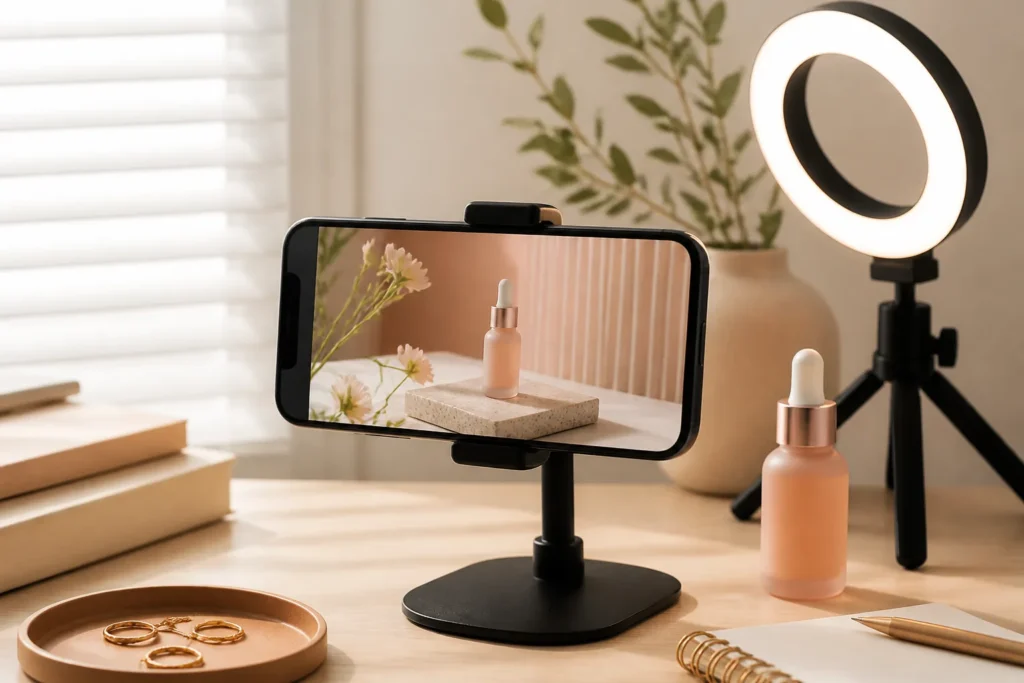
What happens after a brand accepts your pitch?
Confirm the brief and agreement before filming, deliver the agreed assets in the requested format, and keep communication clear through feedback and payment. A friendly “yes” is a starting point, not a complete production brief. Get the practical details in writing so you can make the right content and the brand knows what to expect. Clear briefs are a big part of how you become a UGC creator brands trust.
Use this workflow:
- Confirm the audience and objective. Ask who the content is for and what the brand wants the asset to communicate.
- Agree on the concept and claims. Confirm the script or key points, and verify any product statements with the brand.
- Document deliverables and rights. Specify formats, deadlines, revisions, payment, and usage terms.
- Film and edit. Follow the approved brief and capture any agreed variations.
- Review for accuracy. Check product names, captions, claims, and required disclosures against the approved materials.
- Deliver files. Use the agreed file format and a clear naming system.
- Handle agreed revisions. Keep feedback within the revision terms you accepted.
- Invoice and archive the project. Save the agreement, approvals, final files, and invoice records.
Before recording, confirm required disclosures, prohibited language, aspect ratio, captions, deadlines, file format, and approval steps. For example, a brand might request an edited vertical video, a caption file, or a clearly labeled review version—but deliver those only if they’re in the agreement. Confirm product claims rather than improvising claims that could be inaccurate.
Becoming a UGC creator also means being dependable after the pitch succeeds. Meet deadlines, name files clearly, keep records of approvals and invoices, and don’t publish branded work on your own accounts without permission. Once the project is complete, ask whether you may use the finished work in your portfolio and invite the brand to share feedback or a testimonial if it’s comfortable doing so.
How can you use TikTok Shop and email campaigns in UGC work?
Short-form product content can support social selling and email campaigns, but confirm each channel’s requirements and the brand’s intended use before you agree to a project. A video made for an organic TikTok post may need different framing or rights from an ad asset or an image used in an email campaign. Ask where the content will appear and what the brand expects it to do.
TikTok Shop is relevant because product demonstrations and creator videos may help people discover products and move toward a purchase. That doesn’t make every UGC assignment an affiliate arrangement. Paid UGC production means you’re paid to create agreed assets; affiliate commissions or creator-led sales are separate arrangements that depend on the program, terms, and tracked sales. Confirm compensation and responsibilities before accepting either.
TikTok Shop fees and eligibility can vary by market, product category, and current platform terms. Check the current official seller and creator terms before quoting costs or promising commission. Don’t assume that a fee or eligibility rule described for one account or region applies to another.
For email marketing, a product demonstration can become a visual asset in a campaign, while customer-story creative or campaign imagery can help explain a product in a different context. Confirm that claims remain accurate when the asset is moved from social to email, and that the brand has permission to use the image, voice, music, and other included material in that channel. Email open and click performance varies with audience, list quality, industry, and campaign, so avoid promising a universal benchmark.
Your plan to become a UGC creator can include understanding how assets support a wider campaign, not just how to film a clip. Social Growth Desk covers Instagram, TikTok, TikTok Shop, influencer marketing, and practical ways to turn social attention into leads and sales. Use that channel context to ask better questions about the brief, rather than assuming every piece of content should serve the same goal.
Watch the breakdown
What should you do next to land your first UGC deal?
Choose a niche, make a few samples, publish a simple portfolio, contact well-matched brands, and track outreach and follow-ups. Start with a scope you can deliver reliably and describe your work honestly. Your first goal is to create a clear offer and learn from real responses, not to promise sales outcomes you can’t control.
Try this seven-day action plan, adjusting the pace to your schedule:
- Day 1: Pick a product category you understand and want to work in.
- Day 2: Study a few relevant brand accounts and note their products, audience, and content style.
- Day 3: Make three sample assets: a product demo, a problem-and-solution concept, and a testimonial-style sample based on a genuine experience.
- Day 4: Assemble your portfolio with a short introduction, examples, formats offered, contact details, and a clear label for speculative work.
- Day 5: Create a prospect list and check that each brand is a genuine fit for your examples.
- Day 6: Send personalized pitches that include one relevant idea and a portfolio link.
- Day 7: Review responses, note questions or objections, and refine your offer or samples where needed.
Choosing to become a UGC creator is a practical process you can improve one step at a time. Track pitches sent, replies, calls or brief discussions, proposals, agreements, completed deliverables, and repeat requests. These measures help you see where outreach is working: for example, replies without proposals may mean the offer needs clearer deliverables, while completed projects without repeat requests may call for better follow-up or a portfolio permission request.
Keep your first project manageable and build proof through accurate, permissioned examples. For a next step, use Social Growth Desk’s social media and influencer marketing resources to keep improving your platform skills, pitching, and campaign planning.
You asked, we answer
Can you become a UGC creator with no experience?
Yes. Create a few clearly labeled sample assets with products you already own, then organize your strongest examples in a simple portfolio. Be transparent that the samples are self-directed rather than paid client work.
Do UGC creators need followers?
Not usually for production-only assignments, because the brand is paying for content rather than a post to your audience. If a deal also requires you to publish on your account, audience fit and reach may matter.
How do you get your first UGC client?
Choose brands that fit your portfolio, identify an appropriate contact, and send a short personalized pitch with one content concept and a relevant sample. Offer a clearly scoped project and follow up politely rather than sending repeated messages.
What should a UGC portfolio include?
Include a short introduction, selected content examples, the formats you offer, and contact details. Clearly label speculative samples so brands don’t mistake them for paid client work.
How much should you charge for UGC content?
There is no universal UGC production rate. Consider the number and complexity of assets, revisions, turnaround, raw footage, usage rights, exclusivity, and payment terms, then define the scope in writing.
Is UGC the same as influencer marketing?
No. UGC production is content made for a brand to use, while influencer work typically includes publishing to the creator’s own audience. A creator can offer both, but the deliverables and compensation should be agreed separately.
Your playbook
- Build a small, relevant portfolio with samples that clearly demonstrate your content style and use case.
- Pitch brands whose products fit your examples, and be transparent about your experience and speculative work.
- Agree in writing on deliverables, revisions, payment, usage rights, deadlines, and cancellation terms before filming.
- Keep your first project manageable, deliver professionally, and request permission before using client work in your portfolio.
- Track outreach and project outcomes, then use Social Growth Desk resources to keep improving your social and campaign skills.
- You can become a UGC creator without a big following if your samples, pitch, and terms are clear.
